Why Biometrics Matter
Biometrics are not simply measurements. They are the language forests use to describe themselves. Diameter, height, crown structure, species composition, and stand density together explain how forests grow, how they respond to competition, and what they are capable of producing over time.
When these measurements are viewed in isolation, they remain numbers. When interpreted together, they reveal forest productivity. Forest Econometrics focuses on extracting that meaning.

From Forest Structure to Productive Potential
Every forest expresses its productive potential through form. Tree geometry, crown development, and species mix determine not only how much wood a forest can grow, but what kinds of products it can ultimately produce.
Biometric analysis reveals which species are thriving, how growth is distributed, where merchantable form is developing, and how future product mixes evolve. This is the difference between measuring trees and understanding forests.
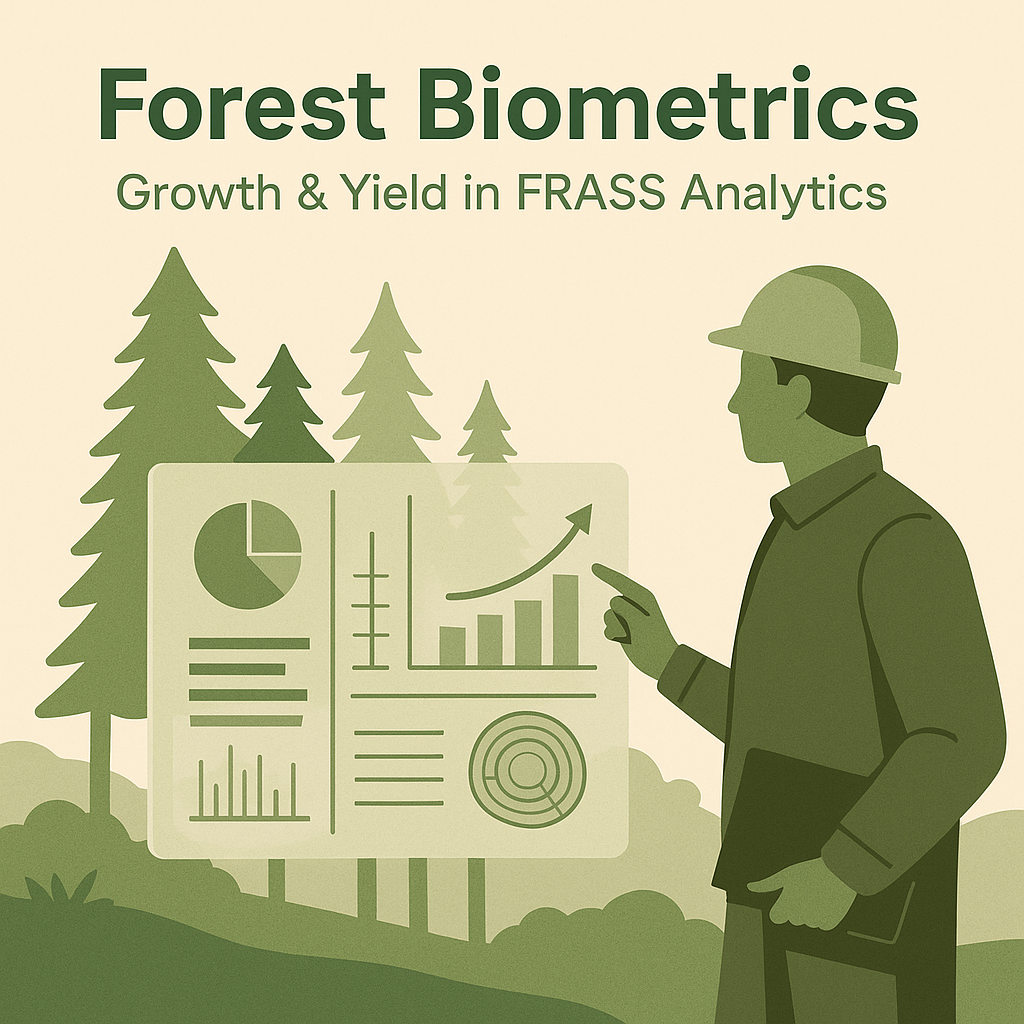
What a Forest Can Produce — Not Just What It Contains
Productivity is not defined by volume alone. It is defined by form, timing, and suitability. Biometrics describe when trees cross merchantability thresholds, how taper influences log grades, and where biological limits shape outcomes.
In practical terms, biometrics describe what is made — species, sizes, and grades — and when those products become available.
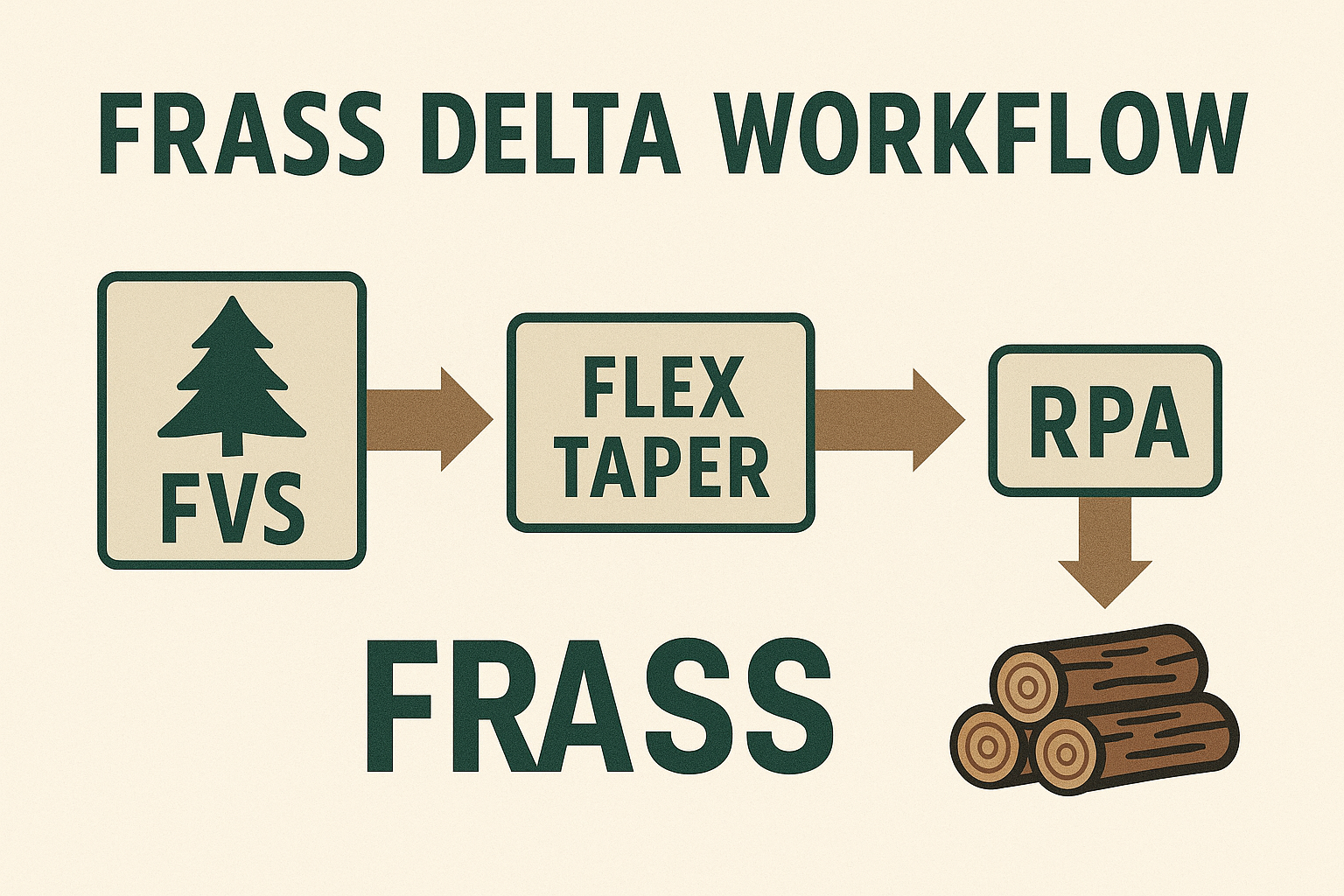
Connecting Biometrics to Value
Patent Notice: Elements of the δ-based Flex Taper methodology and its integration with biometric modeling and valuation workflows are the subject of pending patent applications. This page describes conceptual relationships only and does not disclose proprietary algorithms or implementation details.
Value does not exist without production. While market analytics describe what products are worth, biometric systems describe what products exist and when they exist.
In Forest Econometrics, biometric modeling defines biological reality, while the RPA Forecast Tool describes economic conditions. Their alignment produces value that is specific, defensible, and yours.
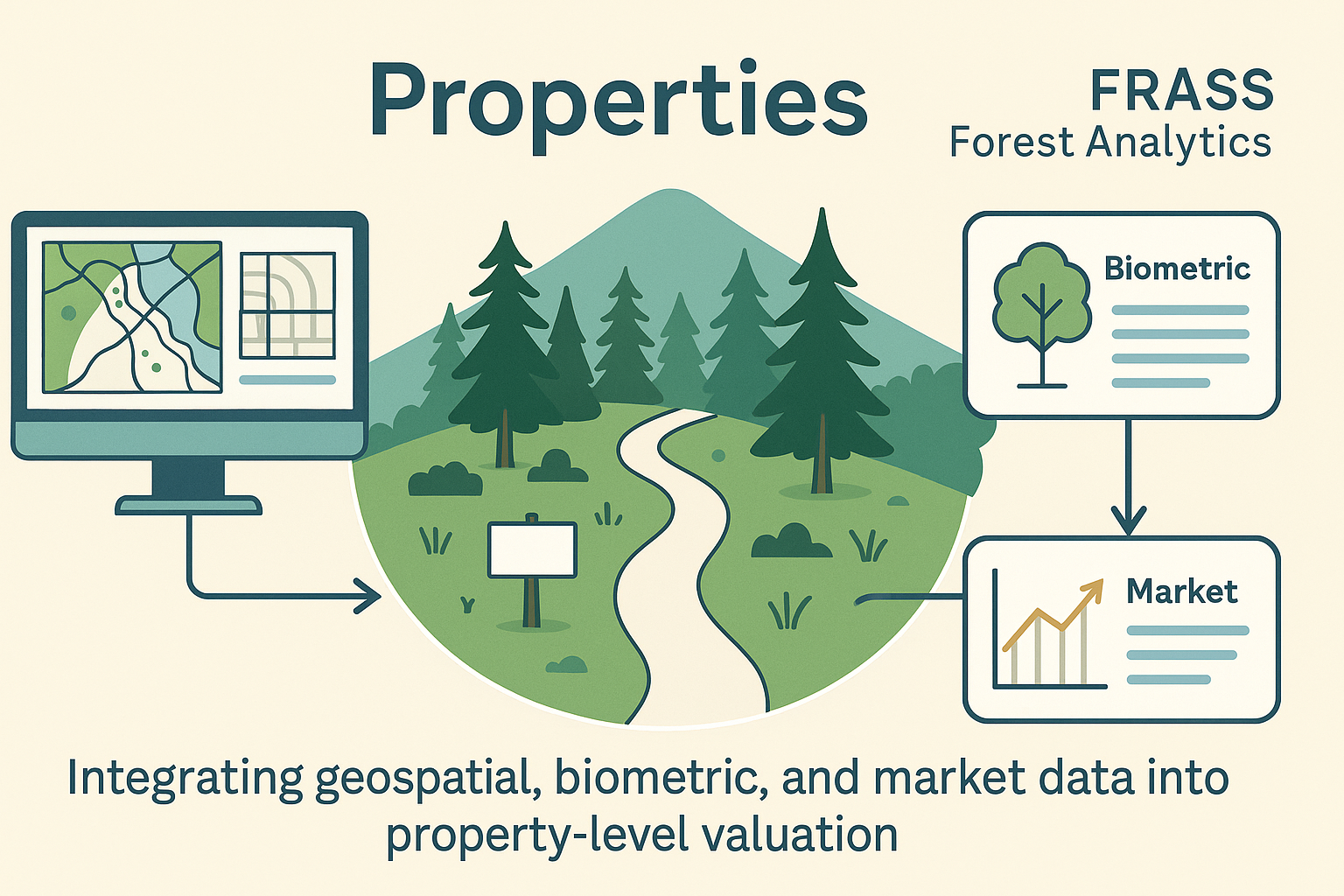
Why This Matters for Landowners
Understanding biometric meaning allows landowners to recognize productive potential before harvest, distinguish biological growth from market-driven value changes, and document defensible conditions for planning, appraisal, and accountability.
Stewardship is strengthened when biological reality and financial insight are aligned.